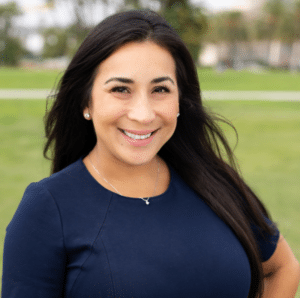
This month, we’re delighted to feature
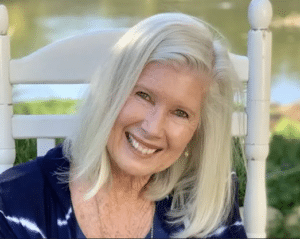
Dr. Vanessa Rodriguez, PsyD ’16. She is the founder and clinical director of Safe Solutions and VMR Therapy.
Q: What was your specific area of study at CSPP/Alliant, and what year did you graduate?
A: I completed my Masters (2009) and Doctoral training (PsyD, 2016) in Marriage and Family at the California School of Professional Psychology (CSPP) at Alliant International University, with a focus on trauma, forensic populations, and community-based mental health. My training emphasized working with high-risk and underserved populations, which became the foundation of my career.
Q: Can you share a little about your current role and the path that led you there after graduating from CSPP/Alliant?
A: Today, I am a licensed marriage and family therapist, clinical supervisor, and organizational consultant specializing in trauma, violence, and high-risk populations. I am the founder and clinical director of Safe Solutions and VMR Therapy, community-focused mental health practices dedicated to trauma recovery, accountability-based treatment for domestic violence and court-mandated clients, and specialized services for first responders.
Q: What experiences or lessons from your time at Alliant have had the greatest impact on your professional journey?
A: Alliant’s emphasis on real-world clinical training and working with complex, high-need populations had the greatest impact on my career. I learned early on that effective clinicians must be comfortable working in systems—courts, law enforcement, child welfare, and community agencies—not just in a therapy office.
Another important lesson was the integration of clinical skill with cultural humility and social responsibility. That perspective shaped my commitment to trauma-informed care, victim advocacy, and accountability-focused treatment for offenders.
Most importantly, Alliant reinforced the idea that psychologists can be leaders and change agents within their communities—not just providers of individual therapy.
Q: Was there a particular course, faculty member, fellow student, or project at Alliant that shaped your interests or career direction?
A: My post-modern theoretical & clinical framework courses and dissertation experience were especially influential.
Equally impactful was the professional culture at Alliant, which encouraged students to think beyond traditional roles and consider how psychology can influence policy, community systems, and public safety outcomes. That mindset ultimately led me into forensic work, law enforcement collaboration, and leadership roles in the domestic violence field.
Q: What advice would you offer to current Alliant students or recent graduates who want to follow a similar path?
A: Say yes to challenging experiences—especially those that take you outside of your comfort zone. Some of the most meaningful opportunities in my career came from working in high-acuity settings such as crisis response, forensic environments, and community systems.
Also, think about your “North Star.” What population or issue are you most passionate about? Let that guide your training choices, supervision, and professional relationships.
Finally, remember that this field needs clinicians who are willing to lead. Whether through program development, training, advocacy, or systems collaboration, psychologists have the ability to move the needle in ways that impact not just individuals, but entire communities.
Q: Have you been involved with the Alliant Educational Foundation in any way? If so, please elaborate further.
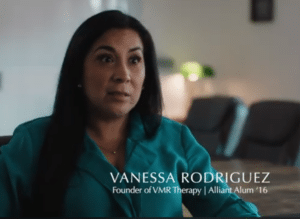
A: Yes. I was honored to be featured in the Legacy of Light produced through the Alliant Educational Foundation and Alliant University. The documentary highlights the real-world impact of Alliant alumni and the work they are doing within their communities.
The film features my clinical work with first responders, including a live therapy group with police and fire personnel. It also highlights my role as a clinical supervisor, following a former master’s-level practicum student who completed her training and clinical hours at VMR Therapy and is now an associate clinician completing her doctoral journey. The documentary captures the supervision process and the importance of mentorship in developing competent, trauma-informed clinicians.
Participating in Legacy of Light was especially meaningful because it reflects my commitment not only to direct clinical work, but also to training, supervision, and workforce development. Supporting the growth of future clinicians and strengthening the field is a central part of my professional mission, and I am grateful to contribute to a project that inspires current students and future mental health professionals.
My work is grounded in the belief that trauma does not define a person’s story—and that therapists have the responsibility and the opportunity to create systems that support both healing and accountability.