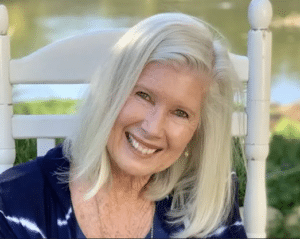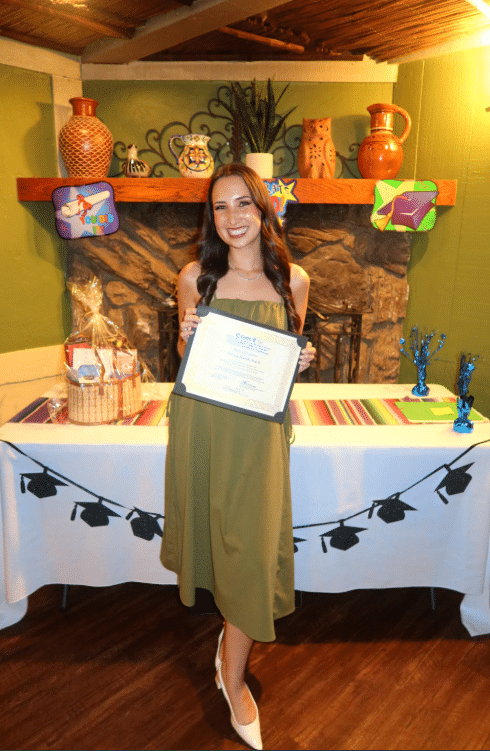
This month, we’re delighted to feature Briana Powell, PsyD ’25. She is a pediatric psychologist in Hematology/Oncology at Rady Children’s Hospital in San Diego.
Q: What was your specific area of study at CSPP/Alliant, and what year did you graduate?
A: I was part of the Clinical Psychology program and graduated with my PsyD in 2025. While I did not have a specific area of study or specialization within the program, I knew early on that I wanted to work with children, adolescents, and their families. Throughout my training, I sought out a variety of experiences, including a crisis center, adolescent intensive outpatient program, private practice, neuropsychological assessment, and a children’s hospital. Through these experiences, I found myself particularly drawn to neuropsychological assessment and pediatric psychology, especially the intersection of mental health and medical care.
Q: Can you share a little about your current role and the path that led you there after graduating from CSPP/Alliant?
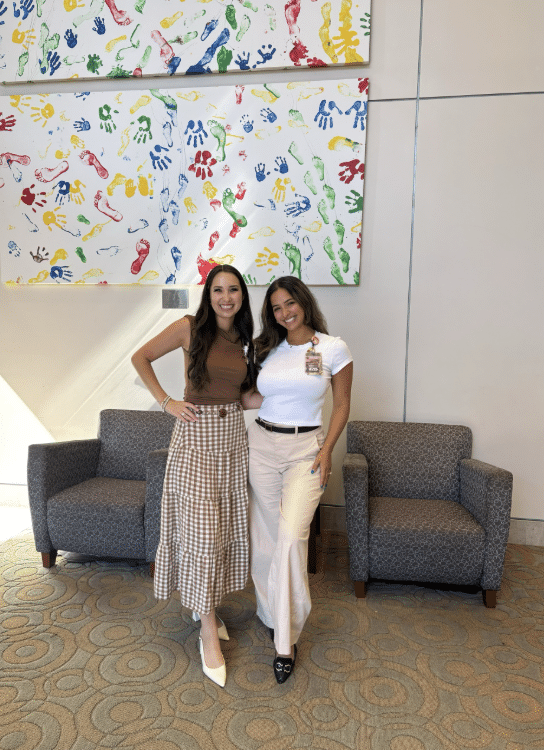
A: I recently began working as a pediatric psychologist in Hematology/Oncology at Rady Children’s Hospital in San Diego. I actually first trained in this setting as a practicum student in 2023 and became extremely passionate about working with this population. Although I was not able to secure an internship in pediatric psychology, I continued pursuing opportunities in the field and ultimately secured a postdoctoral fellowship in Pediatric Psychology with a specialization in Oncology at Rady Children’s Health in Orange County.
My supervisors from San Diego continued to stay in touch with me throughout that process and reached out when they learned about the position opening here. I had such a wonderful experience with the team as a practicum student, so I was thrilled to have the opportunity to return. Looking back, that practicum experience was really the beginning of the path that led me to where I am today. Without the training opportunities I had through CSPP/Alliant, I would not be in this position.
Q: What experiences or lessons from your time at Alliant have had the greatest impact on your professional journey?
A: I attended graduate school during the tail end of the COVID-19 pandemic and began my first year of coursework online. Throughout my training, I also experienced the loss of three family members. Later, during internship, the mental health team went on an eight-month strike just as I was beginning my training year. Along with the other challenges that come with graduate school and life, these experiences taught me the importance of being flexible and adaptable.
I think many of us enter graduate school with a very clear picture of what the path is supposed to look like: go to school, complete internship, graduate, complete fellowship, become licensed, and start a career. My experiences taught me that things are not always that clear-cut, and that’s okay. In many ways, I grew the most when I had to adapt to circumstances I couldn’t control.
I also learned how to communicate more effectively, advocate for myself, trust my clinical skills and judgment, and, perhaps most importantly, prioritize my own self-care. We constantly teach our patients about the importance of self-care, but it can be incredibly difficult to follow that same advice when you’re a full-time graduate student, potentially working additional jobs, managing family responsibilities, applying for internships or fellowships, and eventually navigating licensure and the job search. Those experiences made me realize that taking care of yourself isn’t something to put off until you have more time, rather, it is especially important during the periods when you have the least of it.
 Q: Was there a particular course, faculty member, fellow student, or project at Alliant that shaped your interests or career direction?
A: Rather than one particular person or course, I think it was the community at Alliant that had the greatest impact on my professional journey. I connected with students at different stages of the program who were willing to share their experiences and advice—whether that meant talking with someone who had previously trained at a practicum site I was interested in, asking students ahead of me about the internship application process, or connecting with faculty and mentors who helped me with application materials, letters of recommendation, and professional connections.
I found that people were generally very willing to support one another and were genuinely invested in my success. Those relationships helped me navigate each stage of training and also showed me the importance of building a professional community and being willing to reach out for support.
Q: What advice would you offer to current Alliant students or recent graduates who want to follow a similar path?
A: One of the biggest pieces of advice I would give is to take advantage of the training opportunities that are available to you, even if they are not a perfect match for what you ultimately want to do. When I was in the program, there were not many opportunities specifically focused on pediatric psychology, so I tried to make the most of the opportunities I did have. Even with a year of pediatric psychology experience, I found it challenging to secure an internship in the same area because I was competing with applicants who had more extensive pediatric experience. However, that year of experience, combined with my passion for working with this population, helped me secure a fellowship specifically in pediatric oncology, which ultimately positioned me for my current role.
If you’re interested in pediatric psychology, don’t assume you need to have years of experience in a children’s hospital to be competitive. Experience with children, adolescents, and families in other settings is valuable, and many of the core clinical skills and interventions are transferable across settings. Whether your experience is in consultation and liaison, endocrinology, cardiology, outpatient therapy, assessment, or another area entirely, think about how those experiences have prepared you to work with this population.
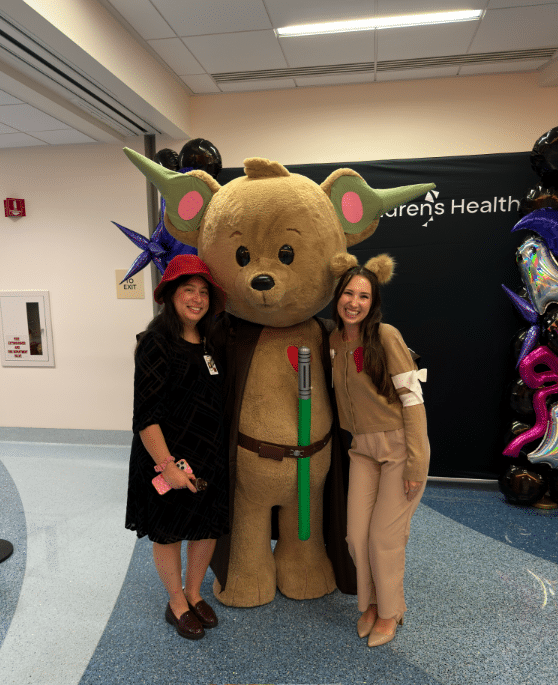 I would also encourage students to be proactive about creating the training experience they want. During internship and fellowship, ask about opportunities, reach out to people whose work interests you, ask to shadow, get involved in projects, and build relationships. Those are some of the last opportunities you have to explore different areas while receiving structured training and supervision, so take advantage of them.
Finally, network. Reach out through your professional associations, faculty members, supervisors, LinkedIn, or other professional connections. Not every connection will lead directly to a job, but building those relationships can open doors you may not have known existed. You don’t have to know exactly where a connection will lead—sometimes simply putting yourself out there and expressing genuine interest can create opportunities later on.